Rest Is Part of the Work:
Why Recovery, Stretching, and Mindfulness Matter
When you’re focused on getting stronger, improving your fitness, or reaching a new goal, it can be tempting to think that more is always better.
More workouts. More weight. More miles. More intensity.
But there’s another part of the equation that doesn’t always get the attention it deserves: recovery.
Rest isn’t a sign that you’re slacking. It’s an important part of becoming stronger, feeling better, and taking care of your body and mind. Whether you’re an experienced athlete or just beginning your fitness journey, giving yourself time to recover can help you get more out of the work you’re already putting in.
At Town Club, fitness isn’t just about pushing harder. It’s about taking care of the whole person.
Your Body Needs Time to Recover
Every workout places stress on your body. That’s how you create the stimulus for improvement, but your body needs time afterward to repair and adapt.
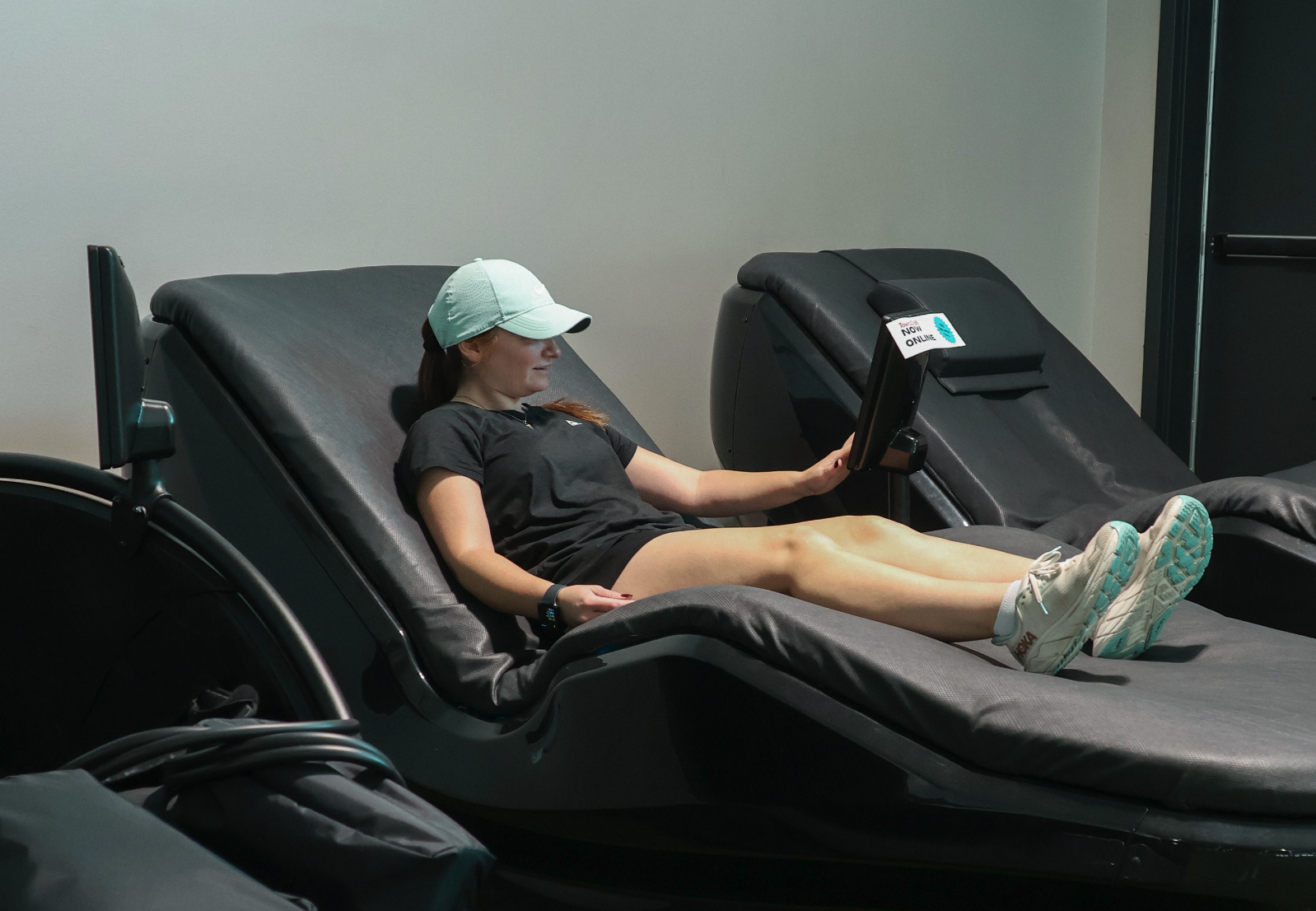
Recovery can look different for everyone. It might mean taking a full rest day, choosing a lower-impact workout, stretching after exercise, spending time in the pool, or simply getting a good night’s sleep.
Paying attention to how your body feels can help you recognize when you need to push and when you need to slow down.
Rest doesn’t erase your progress. It helps support it.
Stretching: Make Time to Move Better
Stretching is often treated like an optional few minutes at the end of a workout, but maintaining flexibility and mobility can make a meaningful difference in how you move.
Regular stretching may help you:
- Improve flexibility
- Maintain range of motion
- Reduce feelings of stiffness
- Move more comfortably
- Support better posture
- Prepare your body for activity and recovery
You don’t have to spend an hour stretching to benefit from it. Even making a few minutes of mobility work part of your regular routine can help you feel better throughout the day.
And remember: mobility isn’t just for athletes. It’s for anyone who wants to keep moving well.
Yoga Is More Than Stretching
Yoga is a great example of how fitness can bring together the physical and mental sides of wellness.
Depending on the style and class, yoga can challenge your strength, balance, flexibility, coordination, and mobility while also encouraging you to slow down and focus on your breathing.
That combination makes yoga a valuable addition to almost any fitness routine.
You don’t have to be flexible to start yoga. You don’t have to know every pose. And you certainly don’t have to be able to touch your toes. You just have to be willing to start where you are.
Give Your Mind a Break, Too
Recovery isn’t only physical.
Between work, family, responsibilities, notifications, and everything else competing for our attention, finding moments of quiet can be difficult.
Mindfulness gives you an opportunity to step away from the noise and focus on the present moment.
That might mean taking a few intentional breaths after a workout, spending a few quiet minutes stretching, practicing meditation, or participating in a sound bath.
Sound baths use calming sounds and vibrations to create an environment designed for relaxation and mindfulness. For many people, it’s simply an opportunity to slow down, close their eyes, breathe, and give their minds a break.
Sometimes doing less is exactly what you need.
Stress Management Is Part of Fitness
Stress is a normal part of life, but constantly operating at full speed can leave you feeling mentally and physically drained.
Exercise itself can be a powerful way to manage stress, but your wellness routine shouldn’t create additional stress.
Finding activities you genuinely enjoy can make taking care of yourself feel less like another item on your to-do list.
Maybe that’s a challenging strength class. Maybe it’s a walk. Maybe it’s yoga. Maybe it’s an aquatics class. Or maybe it’s 30 minutes of stretching followed by a few quiet moments to yourself.
There isn’t one right way to recover.
You Don’t Have to Earn Rest
One of the biggest misconceptions about fitness is that you need to “earn” a rest day.
You don’t.
Rest isn’t a reward for working hard enough. It’s part of taking care of yourself.
If you’re constantly exhausted, sore, or mentally burned out, adding more intensity isn’t necessarily the answer. Sometimes the most productive thing you can do for your fitness is step back, recover, and come back ready to move again.
Listen to your body. Give yourself permission to slow down.
And remember that progress doesn’t only happen while you’re working out.
Find Your Balance at Town Club
Your fitness journey should include more than workouts.
At Town Club, you can build a routine that supports your mind and body through group fitness, yoga, stretching and mobility opportunities, aquatics, recovery-focused activities, sound baths, and more.
Some days are for challenging yourself. Some days are for moving gently. Some days are for resting. All of them count.
The goal isn’t to be “on” every day. The goal is to build a healthy lifestyle you can sustain for years to come.
So the next time you feel guilty about taking a rest day, remember:
Rest is part of the work.
Take care of your body. Quiet your mind. Recover well. Then get back out there and keep moving.